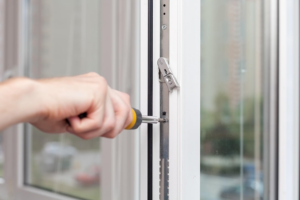
17 Signs You Are Working With Lock Installation
The Importance and Process of Lock Installation
In a world where security and privacy are critical, the installation of premium locks can not be overlooked. Whether it's securing a home, a workplace, or a storage unit, the ideal lock can make all the distinction in ensuring that your residential or commercial property remains safe from unapproved access. This thorough guide will stroll you through the importance of lock setup, the different kinds of locks readily available, and the step-by-step procedure of installing them. In addition, we'll attend to some often asked concerns to help you make informed decisions about your security needs.
Why Is Lock Installation Important?
Lock installation is a vital element of home and home security. Here are several reasons that it is vital:
- Security: The main function of a lock is to prevent unapproved entry. A reliable lock can deter robbers and supply peace of mind.
- Privacy: Locks safeguard your individual area, whether it's a bed room, a restroom, or a home workplace. They ensure that your personal belongings and activities remain personal.
- Insurance coverage: Many insurance coverage policies need that your property be secured with specific types of locks. Proper lock installation can help you meet these requirements and possibly reduce your insurance premiums.
- Comfort: Knowing that your residential or commercial property and liked ones are safe can substantially minimize tension and stress and anxiety.
- Compliance: In some areas, regional policies mandate the setup of specific types of locks. Repair My Windows And Doors is needed to prevent legal issues.
Kinds of Locks
Before diving into the installation procedure, it's crucial to comprehend the various kinds of locks readily available. Each type serves a distinct purpose and provides differing levels of security.
Deadbolts
- Single-Cylinder Deadbolt: Requires a key to lock and open from the outdoors, while a thumb turn is utilized from the within.
- Double-Cylinder Deadbolt: Requires a key to lock and unlock from both sides, providing extra security but may present a fire risk if the key is not readily offered.
- Keyless Deadbolt: Uses electronic or mechanical ways to lock and open, such as keypads or finger print acknowledgment.
Cylindrical Locks
- Thumb Turn Locks: Typically used on interior doors, they can be locked and opened with a thumb turn.
- Keyed Entry Locks: These locks require a crucial to lock and open from the outside and a thumb turn from the inside.
Mortise Locks
- Mortise Cylinders: Installed inside a pocket cut into the edge of the door, these locks are more safe and secure and long lasting but require professional installation.
Electronic Locks
- Keypad Locks: Allow you to set a code for entry, eliminating the requirement for secrets.
- Smart Locks: Connect to your home Wi-Fi network and can be managed through a smart device app, offering remote gain access to and monitoring.
Padlocks
- Combination Padlocks: Secured with a combination code.
- Keyed Padlocks: Locked and unlocked with a key.
- Smart Padlocks: Can be managed by means of a smart device app and deal extra functions like tamper signals.
Step-by-Step Guide to Lock Installation
Setting up a lock can be a straightforward process, especially for easier types like deadbolts and cylindrical locks. Here's a detailed guide to assist you through the procedure:
Tools and Materials Needed
- Screwdriver
- Drill
- Drill bits
- Lock set (deadbolt, round, or mortise)
- Measuring tape
- Pencil
- Level
Setting up a Deadbolt
Procedure the Distance from the Door Handle to the Deadbolt
- Measure the distance from the center of the doorknob to where you want the deadbolt to be. Typically, this has to do with 6 to 8 inches above the doorknob.
Mark the Drill Points
- Use a pencil to mark the center of the deadbolt hole on both sides of the door.
Drill the Holes
- Drill a 1-inch size hole through the door at the significant point.
- Drill a 2nd, smaller hole (generally ½ inch) into the edge of the door to accommodate the bolt.
Install the Deadbolt Cylinder
- Place the deadbolt cylinder into the hole on the edge of the door, ensuring it is aligned with the bigger hole.
- Secure the cylinder with screws.
Install the Lock Mechanism
- Location the lock mechanism on the outside of the door and align it with the cylinder.
- Protect the system with screws.
Install the Inside Thumb Turn
- Location the thumb turn mechanism on the within the door and align it with the cylinder.
- Secure the system with screws.
Evaluate the Lock
- Turn the secret and the thumb turn to ensure the deadbolt moves efficiently and locks safely.
Installing a Cylindrical Lock
Eliminate the Old Lock
- Use a screwdriver to get rid of the old lock and handle set.
Prepare the Door
- Guarantee the door is without any old hardware and clean the location where the new lock will be installed.
Step and Mark the Holes
- Step the distance from the floor to the center of the doorknob and mark this point on both sides of the door.
- Mark the center of the lock cylinder on the edge of the door.
Drill the Holes
- Drill a 2 1/8-inch size hole through the door for the lock system.
- Drill a smaller hole (generally 1 inch) into the edge of the door for the lock cylinder.
Install the Lock Cylinder
- Place the lock cylinder into the hole on the edge of the door and protect it with screws.
Install the Lock Mechanism
- Location the lock system on the outside of the door and align it with the cylinder.
- Secure the system with screws.
Install the Inside Handle
- Location the within deal with on the door and align it with the cylinder.
- Protect the manage with screws.
Check the Lock
- Turn the key and the inside manage to make sure the lock operates efficiently and securely.
Setting Up a Mortise Lock
Measure and Mark the Door
- Measure the range from the floor to the center of the doorknob and mark this point on both sides of the door.
- Mark the center of the lock cylinder on the edge of the door.
Cut the Mortise Pocket
- Utilize a chisel to create a pocket in the edge of the door where the mortise cylinder will sit.
- Guarantee the pocket is deep enough to accommodate the cylinder.
Drill the Holes
- Drill a 2 1/8-inch diameter hole through the door for the lock system.
- Drill a smaller sized hole (generally 1 inch) into the edge of the door for the lock cylinder.
Install the Mortise Cylinder
- Insert the mortise cylinder into the pocket and protect it with screws.
Install the Lock Mechanism
- Location the lock mechanism on the outside of the door and align it with the cylinder.
- Secure the mechanism with screws.
Install the Inside Handle
- Location the within manage on the door and align it with the cylinder.
- Secure the manage with screws.
Test the Lock
- Turn the secret and the within manage to guarantee the lock runs smoothly and safely.
Often Asked Questions (FAQs)
Q: Can I install a lock myself, or should I employ an expert?
- A: Simple locks like deadbolts and cylindrical locks can frequently be set up by property owners with standard DIY skills. Nevertheless, more complicated locks like mortise locks or smart locks may need expert installation to guarantee they are correctly established and functional.
Q: How often should I replace my locks?
- A: It's a good concept to replace your locks every 10 to 15 years, or earlier if you believe they have been jeopardized. In addition, think about rekeying or changing locks when you move into a brand-new home or after a burglary.
Q: What type of lock is best for an outside door?
- A: For exterior doors, a double-cylinder deadbolt or a high-security deadbolt is usually advised. These locks provide the highest level of defense versus required entry.
Q: How can I secure my door beyond just installing a lock?
- A: In addition to installing a premium lock, consider the following security steps:
- Strengthen the Door Frame: Use longer screws to protect the strike plate and enhance the frame.
- Install a Security Door: A solid metal or reinforced wood security door can supply an extra layer of security.
- Usage Motion-Sensor Lighting: Place motion-sensor lights around your property to deter possible burglars.
- Establish a Security System: Consider setting up a home security system with video cameras and alarms for detailed protection.
Q: What should I do if my lock is stuck?
- A: If your lock is stuck, try the following steps:
- Lubricate the Lock: Use a graphite powder or a silicone-based lubricant to free up the system.
- Examine for Obstructions: Ensure there are no obstructions in the lock, such as debris or a stuck key.
- Use a Key Turner: A crucial turner can assist you turn the crucial if it's challenging to do by hand.
- Call a Professional: If these steps do not work, it's best to call a locksmith to prevent damaging the lock.
Q: Are clever locks protect?
- A: Yes, wise locks can be really protected, specifically those with features like encryption, tamper alerts, and remote tracking. Nevertheless, it's important to choose a reliable brand and follow the installation and use directions carefully.
Q: Can I alter the code on a keypad lock?
- A: Yes, most keypad locks permit you to alter the code. Seek advice from the user manual for specific instructions on how to do this for your particular design.
Correct lock installation is a vital action in ensuring the security and privacy of your property. Whether you pick an easy deadbolt or a state-of-the-art smart lock, the procedure includes cautious measurement, drilling, and alignment to ensure the lock functions properly. By following the actions outlined in this guide and dealing with common questions, you can with confidence install the right lock for your requirements and enjoy the advantages of improved security and peace of mind.
If you have any doubts or the lock is especially complex, do not hesitate to seek advice from an expert locksmith professional. They can provide skilled advice and guarantee that your setup is done correctly and efficiently.